Guide

How do you pack a pharmaceutical return?

Enter a detailed inventory in the portal first. Then keep product in its original packaging, use a sturdy FedEx‑approved box under 20 lbs, bag liquids, pad glass and ship Schedule II items separately with their DEA Form 222.
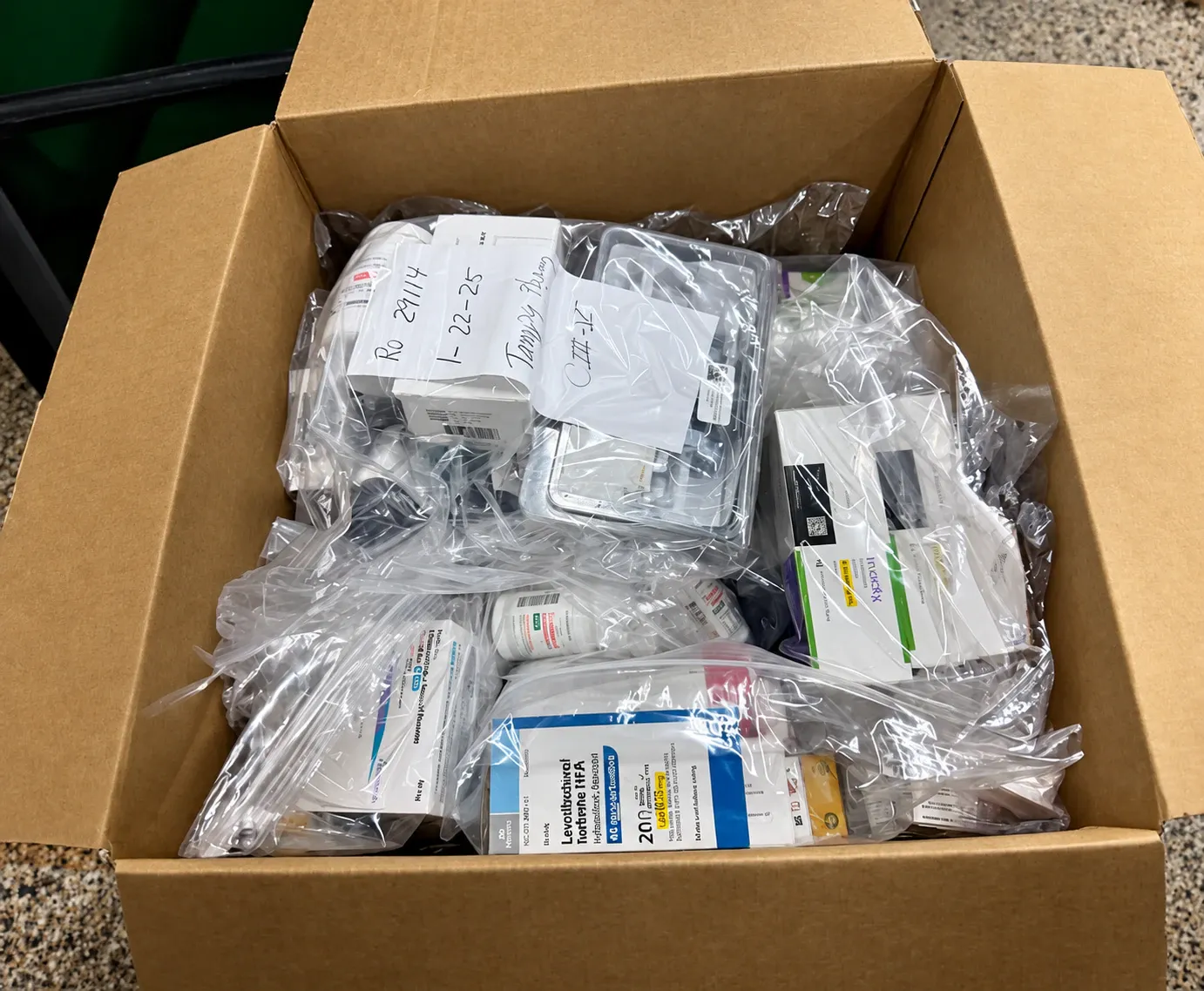
Packed right: an open box with the medications bagged and packed snugly
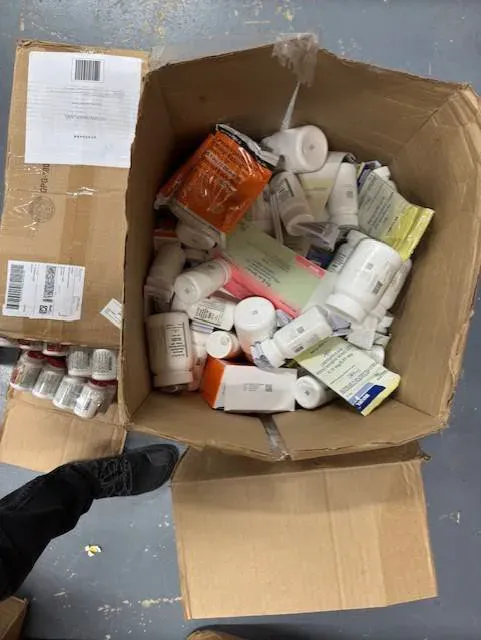
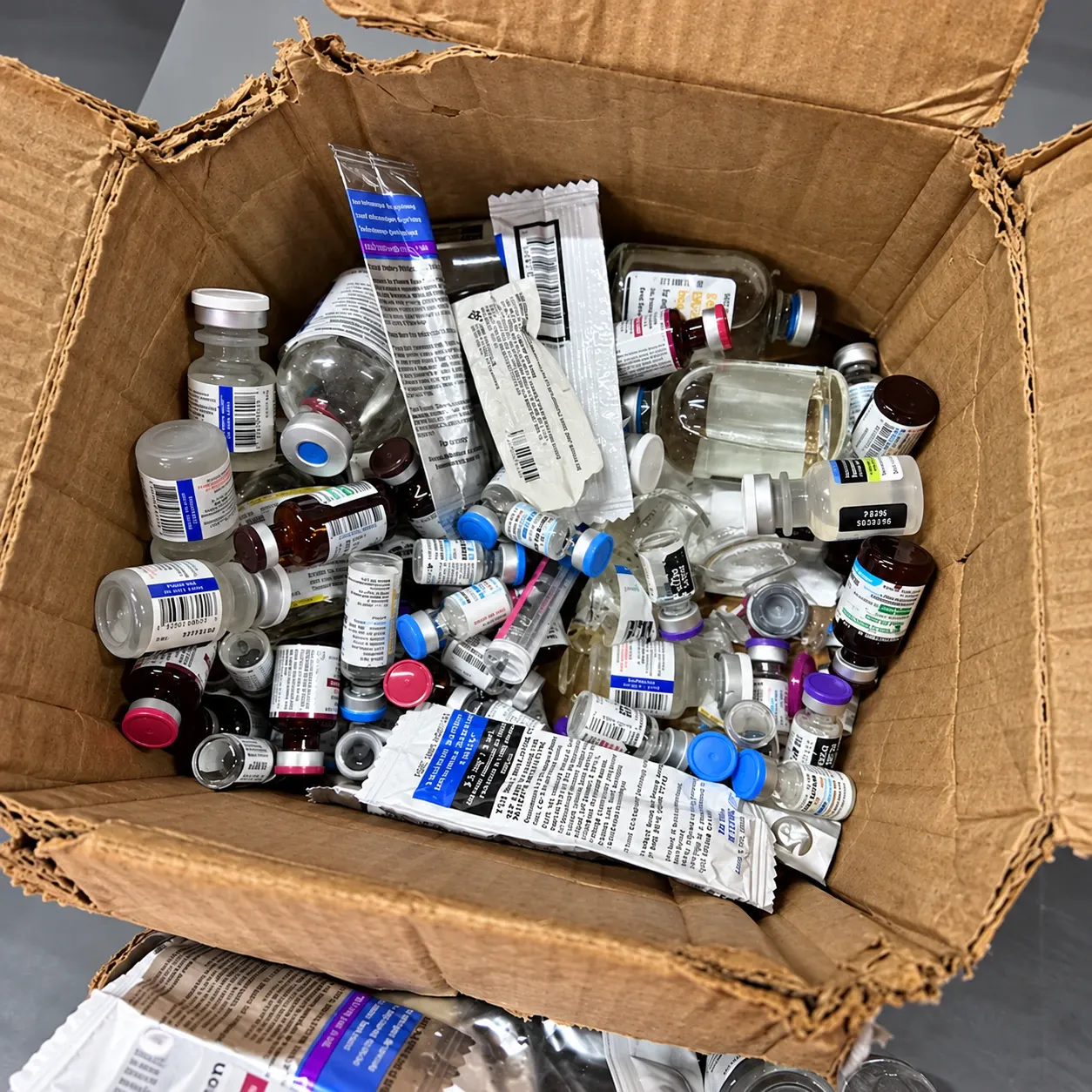
Packed wrong: a worn box overfilled with loose vials, tubes and bottles
IncorrectCorrect

01

Introduction

Proper packaging ensures the safe transit of pharmaceutical items. This guide covers best practices for general, controlled and hazardous pharmaceuticals, including powders, liquids, glass materials and compounding items. Review this document before packaging.

02

Prohibited items

Do not send

  • Biodegradable/biohazardous waste

  • Needles, sharps (including sharp containers)

  • Non‑pharmaceutical waste

  • Hazardous materials (e.g., acetic acid)

03

Initial inventory / pack slip

Enter a detailed inventory list into the Ecopharm customer portal. If unavailable:

  1. Take a picture of the shipment.
  2. Identify special care items (e.g., liquids, glass bottles).
  3. Follow packing instructions for sensitive materials.

04

How to ship a package

  1. Gather materials: box, packing materials, tape and scissors.
  2. Select box size: use appropriate FedEx‑approved box sizes (e.g., 18x14x14, 14x14x14).
  3. Prepare items: secure and cushion fragile items. Follow general packaging instructions.
  4. Seal the box: close all flaps and tape securely.
  5. Weigh package: ensure it does not exceed 20 lbs.
  6. Download labels: retrieve shipping labels from the Ecopharm portal.
  7. Attach label: securely affix the FedEx shipping label.
  8. Use orientation arrows: for liquid, print arrows from the portal to indicate the upright.
  9. Drop off / schedule pickup: use the Ecopharm portal or visit a FedEx drop‑off.
  10. Track shipment: monitor via the Ecopharm tracking link.
  11. Keep receipt: retain for tracking and proof of shipment.

05

General packaging instructions

  • Do not write contents on the box.
  • Avoid oversized or overfilled boxes.
  • Ensure boxes are sturdy and under 20 lbs.
  • Remove old labels/barcodes from reused boxes.
  • Securely tape and seal all packages.
  • Tightly close all bottle caps.
  • Package liquids in sealed plastic bags.
  • Use partitions and padding to prevent movement.

06

Preparing by material

  • Non‑controlled & CIII–CV medications: must include an inventory list. CIII–CV items should be bagged separately within the same box and labeled with the RO#.
  • CII medications: ship separately with a DEA 222 form. Use the provided tamper‑proof bag, label and shipping materials.
  • Powders: use hermetically sealed containers, bubble wrap and absorbent padding. Ensure secure seals.
  • Liquids & syringes: secure all caps. If necessary, reinforce with leak‑proof tape or place in sealed bags. Use cushioning for saline bags and mark “Handle with care.” Please ensure you do not send used sharps.
  • Glass bottles & vials: wrap individually with bubble wrap or cardboard. Use dividers and fill empty spaces with packing material.
  • Compounding materials: secure closures, reinforce using leak‑proof tape and use padding to prevent shifting.

Following these guidelines ensures safe and compliant shipments. If you have any questions or need clarification on any aspect of the packaging guidelines, please do not hesitate to reach out to our team.

Correct
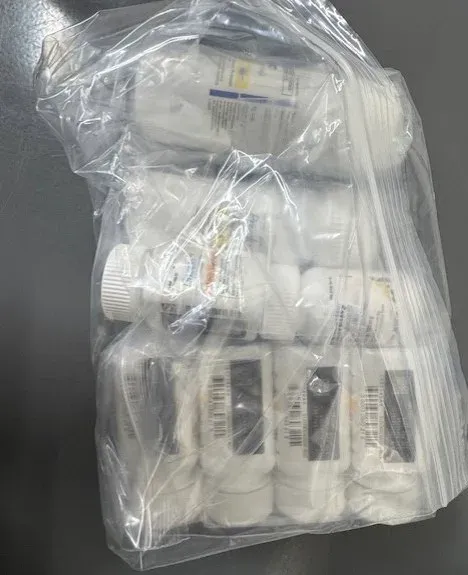
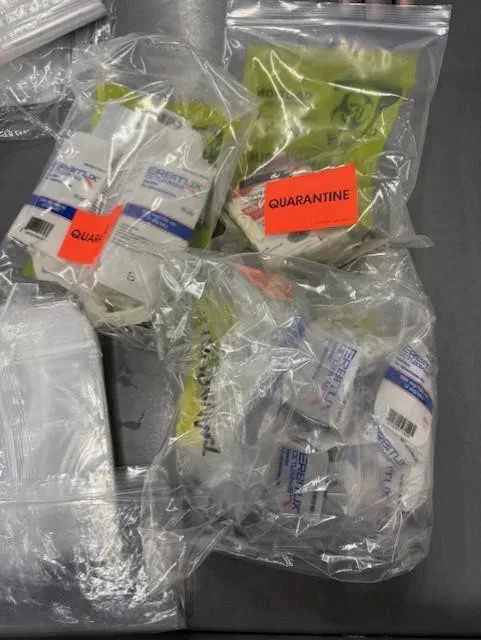
  • Medication bottles packed together in a sealed clear bag
  • An open box with bagged medications packed snugly
  • Medications sealed in bags, some marked with orange labels

Incorrect

  • A box overfilled with loose vials, tubes and bottles
  • An open box of loose bottles and cartons with no padding
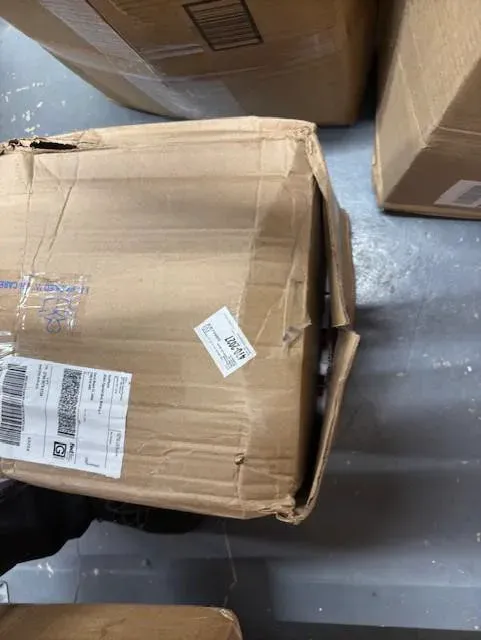
  • A crushed, torn shipping box
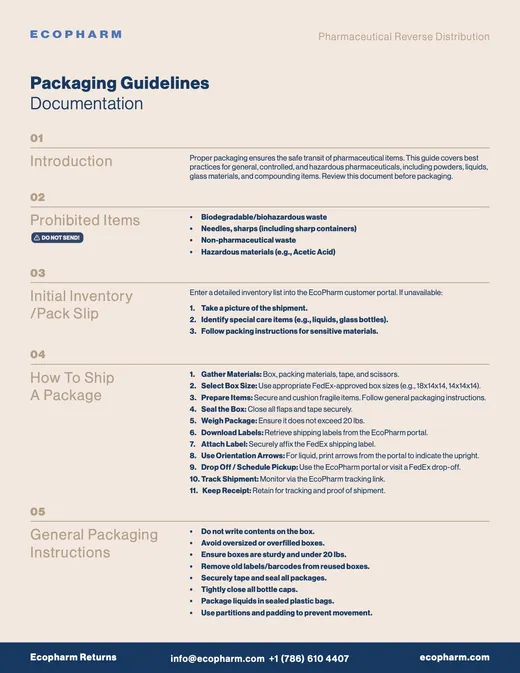
Cover page of the Packaging Guidelines documentation

Guidelines · PDF

Packaging Guidelines

The full guidelines as a PDF, from general and controlled pharmaceuticals to hazardous materials.

More guides

Keep reading from the returns desk

Guide · Reverse distributors

What is a pharmaceutical reverse distributor?

A company licensed by the state and registered with the DEA to take back saleable and non‑saleable medication from pharmacies and other dispensers, for credit or compliant destruction.

Guide · Maximizing returns

How do you maximize pharmaceutical returns?

Return product inside its manufacturer's window, review inventory every quarter, check the fridge, keep packaging intact and leave patient labels on.

Get started

Let the returns begin

Send us your facility info, State License and DEA certification. Our customer service team will quickly verify your credentials and set up a demo of the software for your staff.